Understanding working life rules before the season starts
Published 6/25/2026The importance of international workforce in Lapland’s tourism industry continues to grow year after year. At the same time, discussions about seasonal workers’ rights, orientation, and understanding workplace regulations have become increasingly important.

The importance of international workforce in Lapland’s tourism industry continues to grow year after year. At the same time, discussions about seasonal workers’ rights, orientation, and understanding workplace regulations have become increasingly important.
For many people arriving in Finland, everything is new: the climate, language, culture, and workplace practices. In a short period of time, they are expected to learn a great deal, and they may not know where to find reliable information. Employers, on the other hand, may not always have the time to provide comprehensive orientation.
To address these challenges, REDU has organized short training courses in English as well as more extensive apprenticeship training programmes in the tourism sector. The training covers Finnish culture, workplace practices, collective agreements, and labour legislation. The goal is to ensure that employees understand both their rights and responsibilities and know how Finnish working life functions.
One of REDU’s longest-standing partners is the staffing company Bolt.Works, which recruits hundreds of employees for Lapland’s tourism season each year.
Training provides a strong start for working life
According to Bolt’s Regional Director, Anna Paloniemi, cooperation with REDU has now continued for three seasons.
- Before each season begins, we have organized joint training sessions covering Lapland’s culture, legislation, and workplace practices, says Paloniemi.
- Now the introductory section has been moved online. The remote training has been developed in a project called Becoming a tourism expert through virtual training. It enables participants to study the basics flexibly from different parts of Finland. After that, they can continue with more in-depth studies through apprenticeship training if they wish, adds Project Manager Raquel Kontio Serrano.
Bolt introduces REDU’s training opportunities to job applicants already during the recruitment process. The training is first mentioned during interviews, and once employment is confirmed, workers are reminded of the opportunity to participate.
- At first, companies may wonder whether training will increase their workload. However, when they see that employees arrive better prepared and, for example, have already completed the required certification courses, the benefits quickly become clear, says Paloniemi.
 Anna Paloniemi and Raquel Kontio Serrano reviewing the contents of the virtual training programme at Bolt’s office.
Not all problems are intentional
The rules of working life are not self-evident to everyone. In an international working environment, misunderstandings can easily occur.
- Entrepreneurs and employees from different cultural backgrounds do not always have sufficient knowledge of Finnish labour legislation or collective agreements. That is why guidance and counselling are extremely important, says Paloniemi.
Practical matters can also make starting work more difficult. For example, obtaining a Finnish personal identity code is often the first bureaucratic challenge seasonal workers encounter. Lapland’s only tax office is located in Rovaniemi, and services can easily become congested during the busiest parts of the tourism season.
PAM joins the cooperation network
A new partner in the collaboration is PAM, the Service Union United, which receives a large number of contacts each year regarding the working conditions of seasonal employees.
Henna-Kaisa Turpeinen, Regional Manager for Northern Finland at PAM, says that during the winter season the Rovaniemi office serves seasonal workers almost exclusively.
- We receive a large number of inquiries. Some cases are very serious, but most involve smaller issues and uncertainties that we aim to resolve together with employers,” says Turpeinen.
She emphasizes that the vast majority of tourism companies operate responsibly.
- However, a few individual cases have damaged the reputation of the entire industry.
PAM plans to cooperate with REDU by increasing the visibility of the virtual training programme through social media, newsletters, and professional networks.
According to Turpeinen, sharing information is important for both employees and employers.
- Sometimes problems arise simply because people are unfamiliar with Finnish working life. That is why providing accurate information is so important.

Raquel Kontio Serrano delivered brochures about the virtual training programme to Henna-Kaisa Turpeinen at PAM’s office to distribute ahead of the upcoming season.
Training made starting work easier
Spanish seasonal workers Belen and John came to work at Lapland Hotels Luosto through Bolt.Works. Alongside their work, they completed REDU’s apprenticeship training programme.
They found their jobs through the EURES network and online searches.
- We wanted to come to Finland to experience a real winter. We found Bolt easily, and at the same time learned about REDU’s training programme, they explain.
Based on their own experience, Belen and John know how much easier it is to start a new job when the basics are already familiar.
- The training helped us understand which things are important in Finland. We noticed a clear difference compared to new employees who had little knowledge about Finland or had not yet completed the required certification courses, they say.
They encourage anyone planning to work in Finland to learn in advance about employees’ rights and responsibilities as well as Finnish workplace culture.
- It is worth seeking information with an open mind. One of the easiest ways to obtain reliable information is by participating in REDU’s training programmes.
Join the virtual training course here!
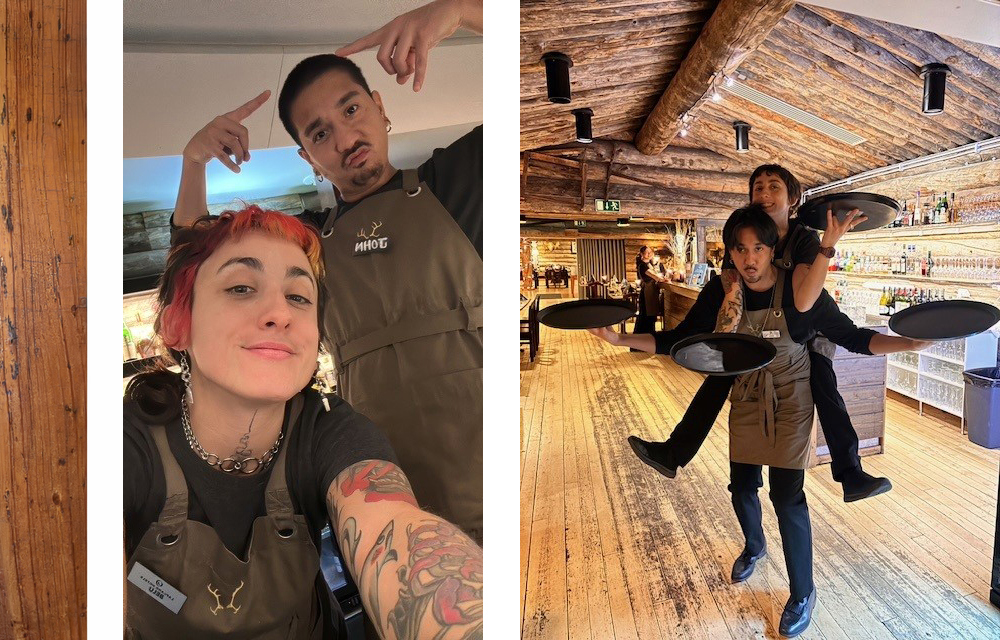
Belen and John have enjoyed their time in Luosto. They plan to return to the same workplace next winter for their third season.
 |
 |